Barka Brings Playful Charm to Handmade Product Fonts
The first time I used Barka on a candle label mockup, I knew I had found something special. I had been searching for a handwritten font that felt genuinely hand-drawn, not just another smooth script pretending to be personal. Barka arrived as a bubbly, disconnected typeface with a quirky rhythm that immediately made my product labels look like they had been signed by hand. That moment—when a font transforms a plain design into something that feels touched by a real person—is exactly what makers and small shop owners hope to find. Barka delivers that feeling in spades.
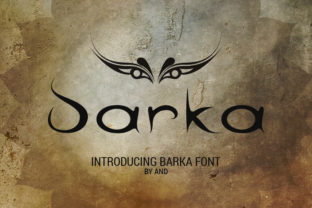
Barka is not your standard script font. It is a creatively crafted handwritten typeface built around bubbly letterforms that do not connect. Each character stands alone, yet the whole word reads with a natural, playful flow. This disconnected structure gives Barka a signature look, as if each letter was carefully placed by hand on the page. For anyone making products by hand or designing printables for other makers, this font brings an authentic, imperfect charm that machine-made scripts simply cannot replicate.
What Makes Barka Stand Out for Handmade Products
When I design product tags for small-batch goods, I need a font that communicates care and individuality. Barka does exactly that. Its bubbly shapes are round and inviting, yet the disconnected letters create breathing room on the page. This combination makes the font feel both playful and deliberate. It is not a messy handwriting font—it is a considered, artistic take on hand-lettering that works beautifully on physical items.
The visual personality of Barka leans toward whimsy without being childish. The letterforms have a gentle bounce, with varying heights and curves that mimic natural handwriting. This makes it perfect for products that want to feel warm, approachable, and handmade. Whether you are designing for a boutique candle line or a set of printable wall art, Barka brings a human touch that customers notice immediately.
For my own shop, I started using Barka on small product labels for handmade soaps. The font’s bubbly quality matched the rounded shapes of the soap bars, and the disconnected letters made each label feel like a tiny piece of art. Customers often commented on the labels before they even tried the product. That is the power of choosing the right display font—it creates emotional appeal before anyone reads a single word.
Real Uses for Barka in a Handmade Business
Barka shines in short phrases, names, titles, and decorative wording. Because the letters are disconnected and bold in their shape, the font works best when used for single words or brief lines. I have used it on greeting cards for birthday and thank-you designs, and the bubbly letters made the sentiments feel more personal than any standard script could. For wedding invitations, Barka adds a playful, modern twist when paired with a clean serif font for the body text.
Here are some of the ways I have tested Barka in my own product lineup:
- Candle labels: The font’s bubbly shape mirrors the soft glow of candlelight. I use Barka for fragrance names like “Vanilla Bean” or “Lavender Dream” on small oval labels.
- Greeting cards: Short messages like “Hello” or “You’re Wonderful” become the focal point of the card design. Barka draws the eye immediately.
- Gift tags and product tags: For boutique packaging, Barka gives a handmade feel that complements kraft paper and twine.
- Printable wall art: Single-word prints like “Breathe” or “Gather” look stunning when rendered in Barka’s bubbly, disconnected style.
- Sticker sheets: Barka works well for word stickers that customers can use in planners or journals. The disconnected letters make each sticker feel like a separate design element.
- Tote bags and mugs: For short brand names or small phrases screened onto fabric or ceramic, Barka adds a signature look that stands out.
- Seasonal designs: Holiday tags, Halloween signs, and Easter cards all benefit from the playful mood Barka brings.
- Digital templates: When I create editable printables for other makers, Barka becomes the decorative heading font that sells the design.
How Barka Affects Product Presentation and Brand Identity
Choosing a font like Barka does more than make text look pretty—it shapes how customers perceive your entire product line. A bubbly, disconnected handwritten font signals that your brand values creativity, individuality, and a personal touch. Customers browsing an online shop see this font on your labels and immediately associate it with handmade quality. Over time, that visual consistency builds brand recognition.
For my own small shop, using Barka across multiple products created a cohesive look. Customers began to recognize the font style as “my” brand, even before they saw my logo. That is the kind of brand identity that premium fonts help build. Barka is not just a decorative element—it becomes part of your visual signature.
The emotional appeal of Barka is strong. The bubbly, rounded shapes feel friendly and approachable. The disconnected letters give each word room to breathe, making even simple phrases feel carefully composed. When customers receive a package with a Barka label, they sense that someone took time to design the presentation. That emotional connection is what drives repeat purchases and positive reviews.
Readability and Practical Advice for Cutting Machines and Small Formats
If you use a cutting machine like Cricut or Silhouette, Barka performs well for small sticker designs and product labels. Because the letters are disconnected, each character cuts cleanly without the risk of thin connecting strokes tearing or lifting. This is a major advantage over continuous script fonts that can be tricky to weed and transfer.
However, I recommend testing Barka at small sizes before committing to a large production run. The bubbly shapes are bold, but the disconnected structure means that very small text—below about 12 points—can start to lose readability. For tiny stickers or micro labels, consider using Barka only for the main word and pairing it with a simpler sans serif font for secondary text. For standard product labels, greeting cards, and wall art prints sized 4x6 inches or larger, Barka reads beautifully.
When designing mockups for listing images or previews, keep the text short. Barka is a display font, not a body text font. Using it for long paragraphs will overwhelm the design and strain the reader. Stick to one to three words for maximum impact. I have found that Barka works best when it is the star of the layout, surrounded by plenty of white space or paired with clean background elements.
Font Pairing Ideas for Barka
Barka pairs naturally with a clean sans serif font for body text or secondary information. The bubbly, playful nature of Barka contrasts well with a simple, neutral sans serif like a geometric or humanist style. This keeps the overall design balanced without competing for attention. For a more formal look, a simple serif font in a light weight can ground the whimsy of Barka and add a touch of elegance.
I have also used Barka alongside a straightforward handwritten font for a layered, organic feel. When the second font has a different texture—perhaps a fine pen style or a dry brush look—Barka remains the dominant voice while the other font adds depth. Avoid pairing Barka with another bubbly or disconnected font, as the design can become chaotic. Give Barka room to shine.
For wedding invitations or event stationery, a classic serif font in the body paired with Barka for names and headings creates a beautiful tension between tradition and playfulness. For product packaging aimed at a younger audience, pairing Barka with a bold display sans serif can create a fresh, modern brand identity.
Technical Details and Licensing Considerations
Before using Barka in any commercial product, it is essential to check the included styles, alternates, ligatures, swashes, and weights. Some handwritten fonts offer multiple variations of each letter, which can be accessed through OpenType features in design software. These alternates let you customize the look of each word so it never appears repetitive.
Barka is available in standard font formats that work across design applications, cutting machine software, and web design tools. Multilingual support is another important factor to verify if your product line includes text in multiple languages. Always read the commercial font license carefully before selling physical products, templates, printables, merchandise, or digital downloads that incorporate the font. Some licenses restrict certain uses, such as embedding the font in digital files that others will edit. Be sure your intended use is covered by the license terms.
For my own shop, I always keep a copy of the commercial license saved with my project files. When I create printable templates or SVG-style designs, I make sure the font license allows for that specific distribution method. This protects both my business and the work of the type designer who created Barka.
Barka in Digital and Physical Product Workflows
Using Barka in digital previews, listing images, and social media graphics helps maintain brand consistency across all touchpoints. When customers see the same font in your shop banner, product photos, and physical packaging, they experience a unified brand identity. Barka is distinctive enough to become a memorable part of your visual language.
For printable creators, Barka is a strong candidate for decorative headings on planner pages, journal inserts, and art prints. The font’s bubbly personality fits well with dot grid layouts, floral borders, and minimalist designs. I have used Barka on seasonal printables like Christmas gift lists and fall gratitude journals, and the font’s warmth made the digital products feel more personal.
When preparing files for physical production, always outline or convert your text to paths before sending to a printer or cutting service. This prevents font substitution issues and ensures that Barka renders exactly as you designed it. For home printing, test a small batch first to confirm that the font size and weight produce the effect you want on your chosen paper or material.
Barka has become one of my go-to display fonts for projects that need a signature, handmade look. Its bubbly, disconnected letterforms bring a sense of joy and intentionality to every product I create. Whether I am designing a candle label, a greeting card, a boutique tag, or a printable wall art piece, Barka makes the text feel like it was written just for that customer. That is the kind of creative font that every maker dreams of finding.